How do you look after your dog in the monsoon?
Keep them dry, keep their skin healthy and keep them away from puddles. That covers most of it. Dry the coat right through after every rainy walk, check paws and ears, brush often so fur does not mat, avoid standing water, and ask your vet about the yearly leptospirosis vaccine before the rains arrive.
The monsoon is a lovely season for people and a tricky one for dogs. Walks get shorter and muddier, the air stays heavy for weeks, and nothing seems to dry properly. A coat that would dry in an hour in March can stay damp at the skin all evening in July.
None of this means your dog has to stay indoors until October. It just means a few small habits matter more than usual. Here is what we would focus on, in order of how often it comes up.
Why is a damp coat a problem in the monsoon?
Because damp fur stays damp, and wet skin gets unhappy. VCA explains that matted fur can hold water after a dog is caught in the rain, keeping the skin wet and creating a perfect environment for a hot spot. In humid weather, that dampness simply has nowhere to go, so it lingers for hours.
The VCA guide to hot spots, written by vets, describes them as red, inflamed patches that appear quickly and ooze. They are itchy, dogs lick and chew at them, and they can spread fast. Any patch like that needs a vet, not a home remedy.
The American Kennel Club makes the same point from the other side: drying keeps a dog warm and prevents the mats, tangles and bacteria growth that may lead to skin infections. A proper dry after every wet walk is the single most useful monsoon habit you can build.
How should you dry your dog after a rainy walk?
Squeeze, press, wrap. Squeeze the water out of the coat with your hands, then press a towel into the fur rather than rubbing, which tangles it. Work from the head down to the tail, finish with the belly and legs, then wrap your dog up while they settle somewhere airy. For thick coats, a cool dryer helps.
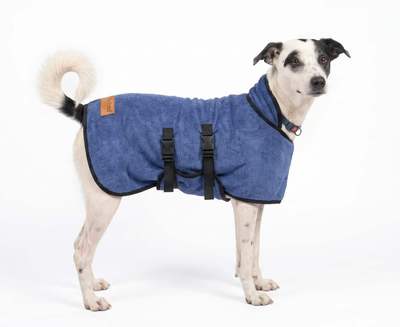
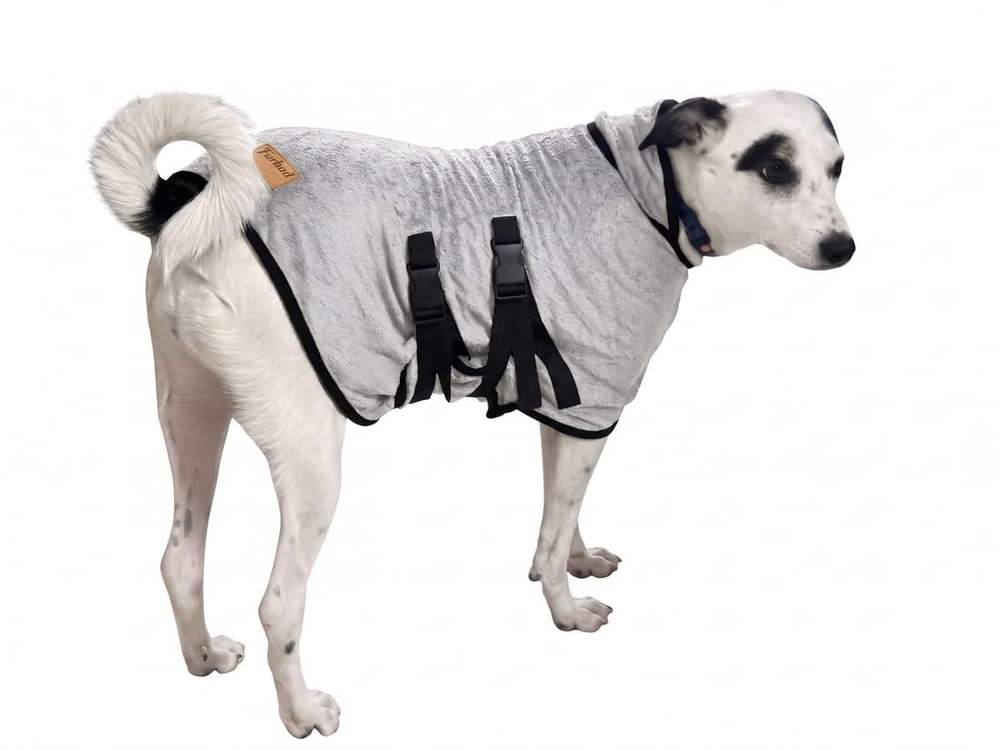
That wrap is where a robe beats a towel. A towel dries one patch at a time and ends up on the floor at the first shake. Our Dog Bathrobe wraps the back and sides in 400 GSM bamboo cotton terry and clips under the belly, so it keeps soaking up water while your dog wanders off to find their bed.
If you use a dryer, keep it on the lowest, coolest setting and keep it moving. Our full guide to drying a dog after a bath covers towels, dryers and robes step by step.
How do you care for paws in the rainy season?
Rinse, dry and check. Muddy water, wet grass and puddles all end up between your dog’s toes. Rinse the paws with plain water after each walk, dry them properly, spreading the toes to reach the gaps, and look at the pads for cuts, redness or anything stuck. Constant licking at one paw deserves a closer look.
Paws are the part people forget, because the rest of the dog looks dry long before the feet do. Water sits between the toes and pads for ages, especially on long-haired dogs. A quick dab with a corner of the towel, gap by gap, takes thirty seconds.
Keep a towel and a small tub of water by the door through the season. When the routine is in the same place every time, it happens every time, even on busy mornings.
How do you look after ears in the monsoon?
Dry the part you can see. After a wet walk or a bath, gently dry around the ear opening, especially if your dog has floppy ears that trap moisture. PetMD suggests using a cotton ball around the opening of the ear canal to help avoid yeast and bacteria infections. Never push anything down into the ear itself.
Floppy-eared breeds like spaniels and beagles tend to need the most attention, because their ears fold over and hold warmth and damp together. A quick lift and dry after every wet walk makes a real difference.
Head shaking, scratching at one ear, a smell or any discharge are signs to see your vet. Ear problems are much easier to sort out early than late.
What is leptospirosis, and should you worry about it?
It is worth knowing about in the monsoon. Leptospirosis is a bacterial infection that thrives in warm, wet conditions. Cornell explains that dogs most commonly catch it from water contaminated with urine, especially still water like puddles, and that it can spread to people. The good news is that yearly vaccination is available.
Cornell’s guide to canine leptospirosis recommends three things: vaccinate every year, limit your dog’s access to standing water, and avoid contact with wildlife. Rats and other animals are a common source, which is why flooded streets and stagnant puddles carry more risk.
In practice, that means steering your dog around puddles rather than through them, not letting them drink from standing water, and bringing fresh water on longer walks. Ask your vet whether your dog’s vaccinations are up to date before the rains, not after.
Signs Cornell lists include fever, vomiting, diarrhoea and drinking or urinating more than usual. If you notice any of these, call your vet straight away.
Should your dog wear clothes in the monsoon?
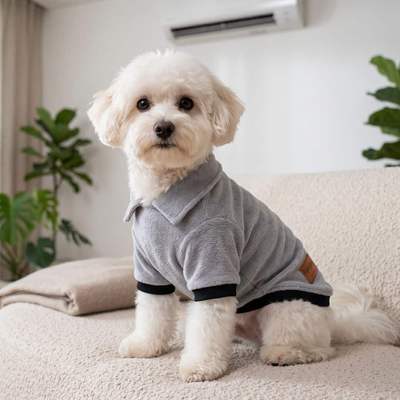
Only dry ones. A wet garment holds water against the skin, which is the opposite of what you want in humid weather. After a walk, towel your dog and let a bathrobe do the drying. Once they are fully dry, a light, breathable T-shirt can take the chill off an air-conditioned room without trapping heat.
That is how we think about our range in the rainy months. The bathrobe is for the wet part of the day. The T-shirt is for afterwards, when your dog is dry and curled up in a cool room. Our bamboo cotton is breathable, so it takes the edge off without holding moisture close.
If any garment gets damp, take it off, dry your dog and let the fabric dry right through before it goes back on.
How do you keep grooming on track in the rainy season?
Brush more, not less. Mats trap water against the skin, so a few quick brushing sessions a week keep the coat loose and quick to dry. VCA recommends regular brushing and bathing to help prevent hot spots. Dry your dog fully after every bath, and keep an eye out for any red or itchy patch.
It is tempting to skip grooming when everything is wet anyway, but the monsoon is exactly when it pays off. A tangle-free coat lets air reach the skin and dries far faster than a matted one.
Keep bedding dry too. Wash your dog’s bed and blankets regularly, and dry them fully before they go back down. Damp bedding undoes all your good work at the door.
Which facts and sources support this article?
Every factual statement above is paired with its source below. VCA covers hot spots and grooming, Cornell covers leptospirosis and how to prevent it, the American Kennel Club covers why drying matters, and PetMD covers drying the ears. Follow any link to read the original for yourself.
| Factual claim | Scope and source |
|---|---|
| Matted fur can hold water after rain, keeping skin wet and creating a perfect environment for hot spots. | Veterinary guidance: VCA, Hot Spots in Dogs |
| Regular brushing and bathing help prevent hot spots. | Veterinary guidance: VCA, Hot Spots in Dogs |
| Drying keeps a dog warm and prevents mats, tangles and bacteria growth that may lead to skin infections. | Owner guidance: American Kennel Club |
| A cotton ball can gently dry around the ear canal opening to help avoid yeast and bacteria infections. | Vet-reviewed grooming guidance: PetMD |
| Dogs most commonly catch leptospirosis from water contaminated with urine, it can spread to people, and yearly vaccination is recommended. | Veterinary guidance: Cornell University |