Does your dog need a hoodie in an Indian winter?
Some do. Small, short-coated, very young and senior dogs feel winter far sooner than a big, fluffy dog. A light hoodie suits cool mornings, chilly evenings and the unheated rooms most Indian homes have. For a properly cold North Indian night outdoors, a small or thin dog may need a warmer coat on top.
Indian winters are wonderfully varied. In Chennai or Kochi, winter barely shows up. In Delhi, Lucknow or Chandigarh, December and January nights can drop close to freezing, mornings come wrapped in fog, and marble floors stay cold all day. Your dog lives much closer to those floors than you do.
Most of us never think about heating the house, because for most of the year we are trying to cool it. So when the cold arrives, dogs feel it indoors as much as outdoors. That is exactly the gap a light hooded layer fills.
Which dogs feel the winter cold most?
Small dogs, thin dogs and short coats come first. PetMD explains that small dogs get colder faster because they have more surface area for their size, and that thin dogs chill quickly because body fat insulates. The AKC adds that very young and very old dogs have a hard time regulating their body temperature.
The PetMD guide to how cold is too cold, written by a vet, also points to coat type. Dogs with thin coats may suffer in the cold, while a thick double coat does a lot of the work by itself.
In Indian homes, that often means short-coated indies, beagles, pugs, dachshunds and small breeds, plus any dog whose coat has been clipped short. Puppies and seniors belong on the list whatever their coat. A healthy Labrador or German Shepherd with a thick coat usually manages fine, and could even overheat in a layer.
How can you tell your dog is cold?
Watch what they do. PetMD lists shivering, acting anxious or whining, slowing down, searching out warm spots and holding up one or more paws as signs of a cold dog. Indoors in winter, that often looks like a dog curled into a tight ball, burrowing into blankets or pressing up against you on the sofa.
Some signs are easy to miss. A dog who usually sprawls on the floor but suddenly sleeps nose to tail is saving heat. So is one who abandons their own bed for yours at night, or who is reluctant to go out for the early morning walk.
Every dog has their own comfort zone. Two dogs in the same room can feel it very differently, so trust the dog in front of you.
Is a hoodie warm enough for winter?
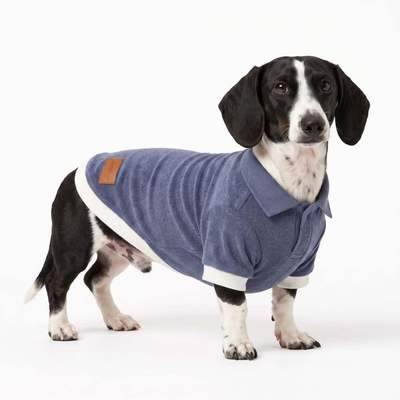
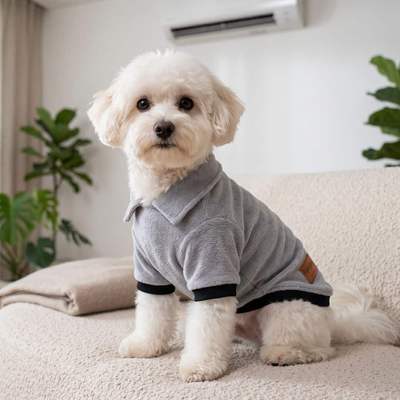
For most Indian winter days, yes. Our hoodie is a light hooded layer in 240GSM bamboo cotton, not a winter coat, on purpose. It takes the chill off cool mornings, evenings and unheated rooms without overheating your dog once the sun comes out. On a properly cold night outdoors, it is a base layer.
The AKC’s winter safety guide recommends a fitted sweater and, for real cold, a sturdier coat. In India, the coat is really only needed for small or thin dogs on foggy December and January mornings in the north. For everything else, a soft hooded layer is plenty.
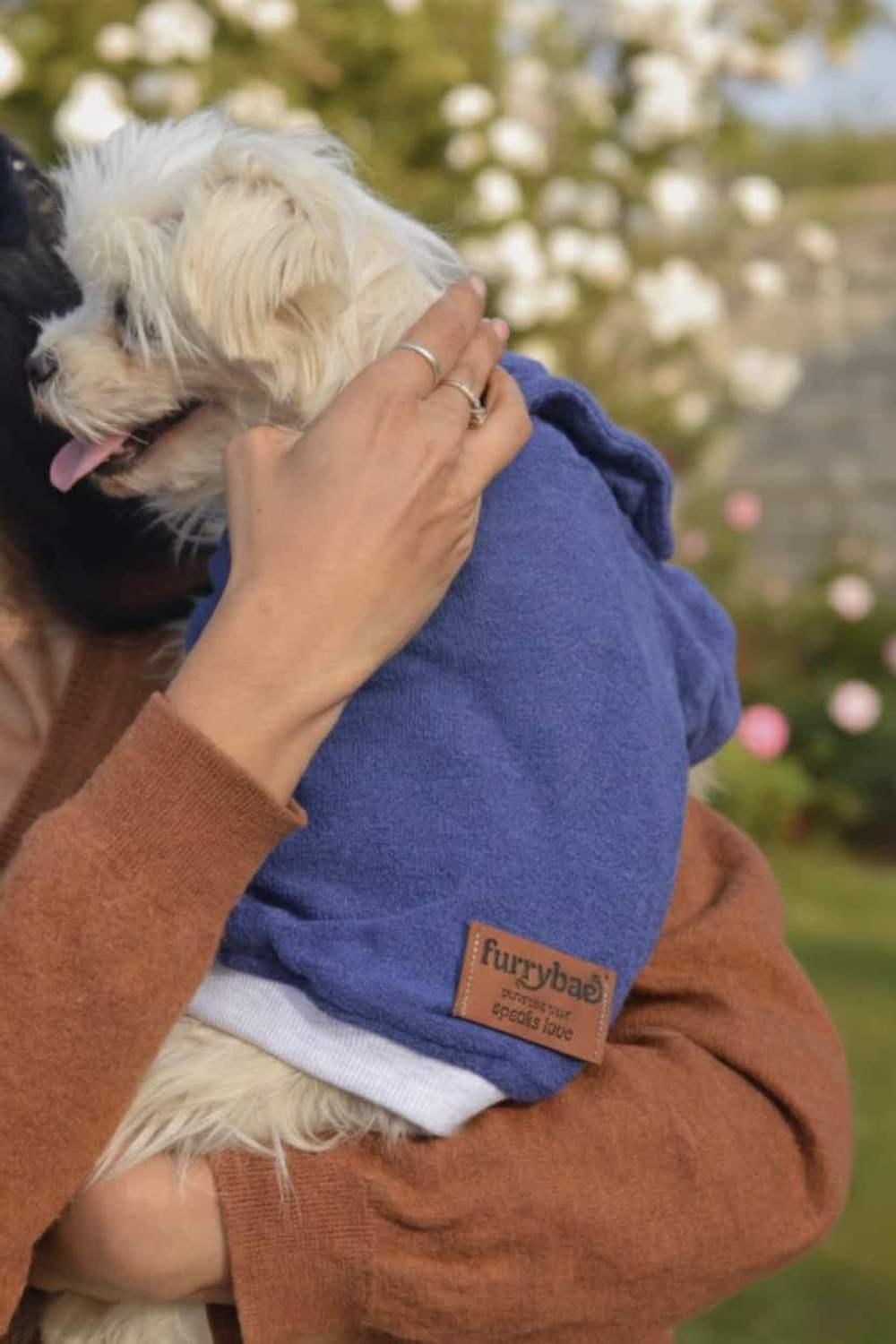
We like the hood for winter in particular. It adds a little extra coverage around the neck and the back of the head, and most dogs wear it down happily. Some burrowers love it up.
When should your dog wear the hoodie?
When it is cold and they seem chilly. Early morning and late evening walks, nights in an unheated room and afternoons on a cold floor are the obvious times. Take it off when the day warms up, if your dog starts panting, or if it gets wet. The AKC suggests not leaving a dog unattended in a sweater.
Winter bath days deserve a mention. A wet dog in a cold room loses heat fast. Dry them thoroughly, wrap them in our bathrobe while they settle, and only put the hoodie on once they are completely dry.
If your dog seems unsure the first time, keep it short. A few minutes, a treat, then off. Most dogs settle quickly once they realise it is soft and does not stop them doing anything.
How should a winter layer fit?
Close enough to stay put, loose enough to move in. The AKC says a well-fitting sweater should let your dog move normally, without being so tight it restricts them or so big it tangles. With a hoodie, also check that the hood sits clear of the eyes and ears when it is up.
Measure the neck, the widest part of the chest and the back length, then match the numbers to our size guide. Every size from S to XXL is listed in inches. If your dog sits between two sizes, go up.
Our guide to how dog clothes should fit covers the two-finger check and the signs of a size that is too tight or too loose.
How do you keep your dog warm indoors?
Get them off the cold floor. A raised or padded bed away from draughts, with a blanket they can burrow into, makes a big difference on marble or tile. The AKC suggests warm bedding for dogs that get chilly, including seniors. A light hoodie then takes care of the rest in an unheated room.
Move the bed away from doors and windows that let in cold air, and away from the spot under a ceiling fan that someone forgets to switch off. Small changes like these matter more to a dog than a degree or two on a thermostat.
Heaters need care. Keep room heaters out of reach so a curious nose or tail cannot touch them, and never leave a dog in a closed room with a charcoal angithi, because of the fumes.
What about winter walks and paws?
Keep them short on the coldest mornings, and go a little later if you can. The AKC notes that short outings help a dog’s body get used to the change in weather. Afterwards, clean their feet with warm water, including between the toes and pads, and use a paw balm if the skin looks dry.
Foggy mornings bring damp as well as cold. If your dog comes home with a wet coat, dry it properly before they settle down, just as you would in the monsoon. A dry dog stays warmer, and the same drying routine works all year round.
Which facts and sources support this article?
Every factual statement above is paired with its source below. PetMD’s vet-written guide covers which dogs feel the cold and the signs to watch for, the American Kennel Club covers sweaters, fit, supervision and winter care, and our Amazon listing describes the hoodie. Follow any link to read the original.
| Factual claim | Scope and source |
|---|---|
| Small dogs get colder faster, and thin dogs chill quickly because body fat insulates. | Vet-written guidance: PetMD, How Cold Is Too Cold for Your Dog? |
| Signs of a cold dog include shivering, whining, slowing down, seeking warm spots and holding up paws. | Vet-written guidance: PetMD, How Cold Is Too Cold for Your Dog? |
| Very young and very old dogs have a hard time regulating body temperature, and small, short-haired dogs need extra protection. | Owner guidance: American Kennel Club, winter safety |
| Short outings help a dog adjust to cold weather, feet should be cleaned between the toes and pads, and warm bedding helps chilly and senior dogs. | Owner guidance: American Kennel Club, winter safety |
| A well-fitting sweater lets a dog move normally, and a dog should not be left unattended in one. | Owner guidance: American Kennel Club, sweaters |
| Our hoodie is a hooded bamboo cotton layer in Blue and Grey, sizes S to XXL. | Product listing: Amazon India |